
What Is Advanced Yoga
A few months ago I was teaching a vinyasa class where I had two students who used to practice yoga consistently, but went through a period where they stopped, and now, they are coming back to their practice. While I try my best to teach my classes as multi level, the sequencing is geared to an intermediate ability. I always offer options to modify and use props if needed and strongly encourage my students to listen to their bodies. Since it is a vinyasa class, there are quite a lot of transitions from being on the ground to standing, and linking movement with breath, which for some, may be challenging.
On this particular day, half way through the first round of the standing sequence, one of the students who was just coming back to her practice, stopped and sat in Sukhasana (Easy Seat) on her mat. She stayed there, with her eyes closed and kept her breaths deep and steady. After about 5 minutes, she joined back in the flow, and completed the rest of the sequence with the class. This stood out to me. I have experienced students who have reached their physical limit in my class, and simply rolled up their mats and left. Sure, it's common for students to take an emergency child's pose break, but rarely do they last for minutes on end. But the wonderful thing about this student taking the break that her body needed, is that I noticed it seemed to have given the other student who was coming back to practice the “courage to do the same”. And I absolutely love that! While I tell my students time and time again to rest when they need it, the reality is that the ego often keeps them from doing it. I could see that the second student was trying her best to keep up, but she was clearly tired. Seeing someone else take the break, and realize that no one cares at all, helped her “mind her mat” and take the rest she needed.
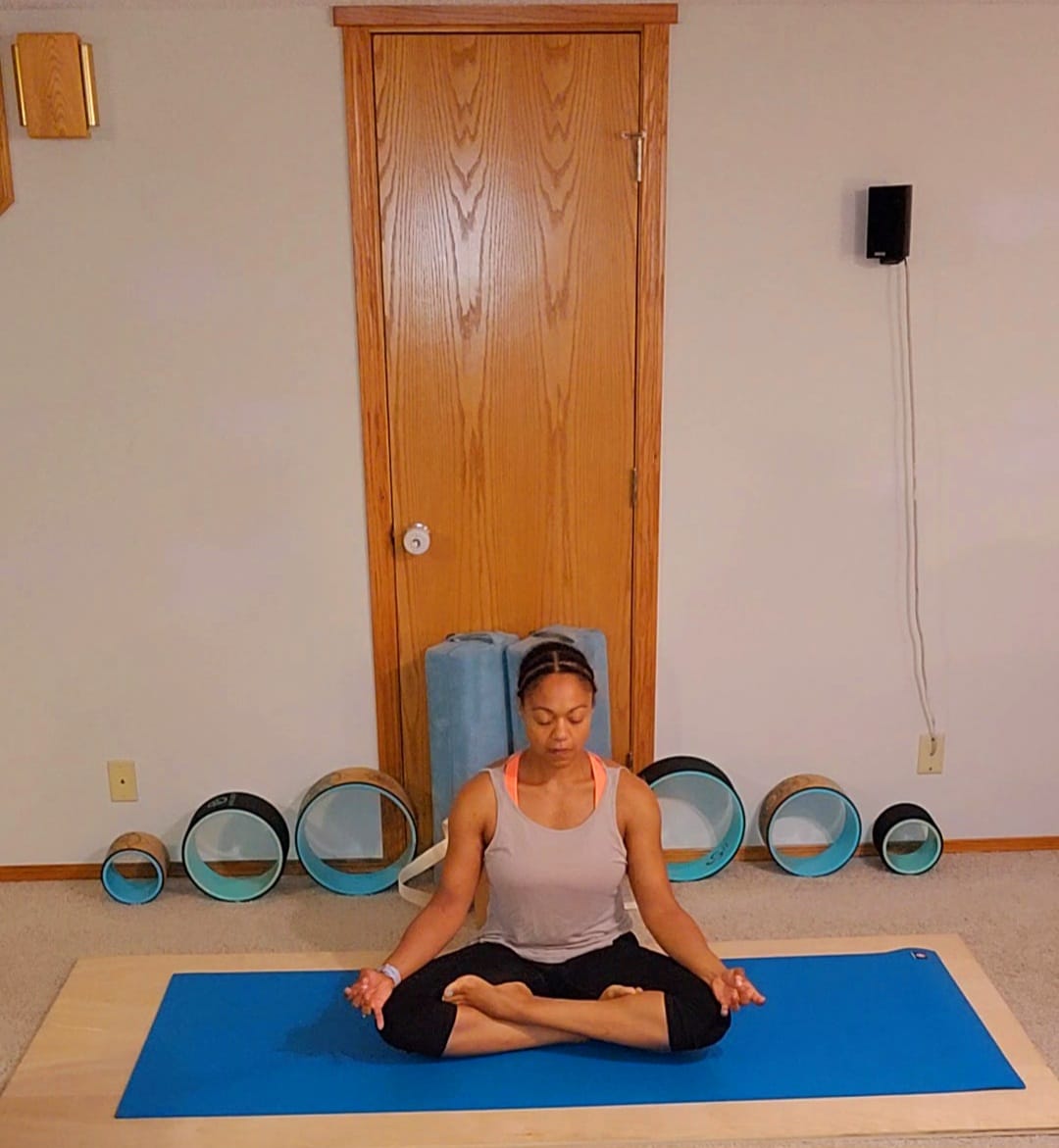
I made sure to let the first student know after class how much I admired her choice to recognize her physical limit at the moment, and stay instead of simply leaving. I wanted her to realize that staying present and in her body, without being attached to flowing through the physical sequence makes her an advanced practitioner.
The labels of Beginner, Intermediate and Advanced are not simply to identify one's physical abilities on the mat. Yoga is so much more than shifting your body into complex and challenging shapes. The sequencing and movement offers us the opportunity to recognize and honor what our bodies are capable of in the moment, and doing so without judgement. As stated in the Bhagavad Gita, “Yoga is the journey of the self, through the self, to the self”. It’s about self observation, and connecting with all of the parts of yourself.
People often forget, or are never taught, that the purpose of the physical practice is to burn off the energy to prepare you for meditation. It is through meditation where we learn to calm our minds, improve focus, gain clarity and truly connect the mind, body, and spirit.
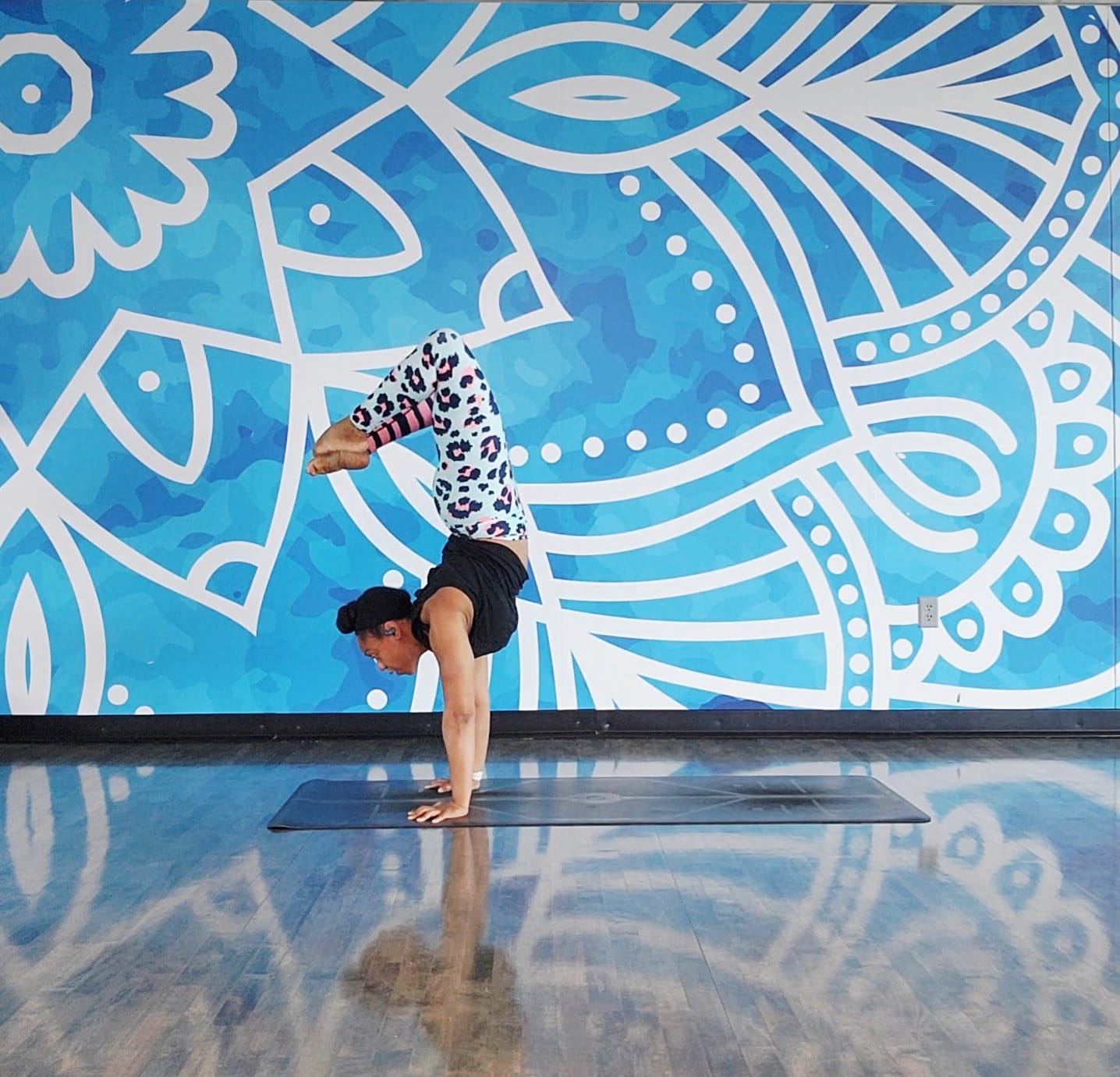
Learning to balance on your hands and bend yourself into complex and difficult poses is fun, but does that automatically qualify your practice to be classified as advanced? Is a physical practice without breathwork and meditation a complete practice? Do the designations of Beginner, Intermediate, and Advanced really matter anyway?
At the end of the day, it’s just you, your mat, and what you choose to do with it.
Written By:
Charyl Dezotell



About me
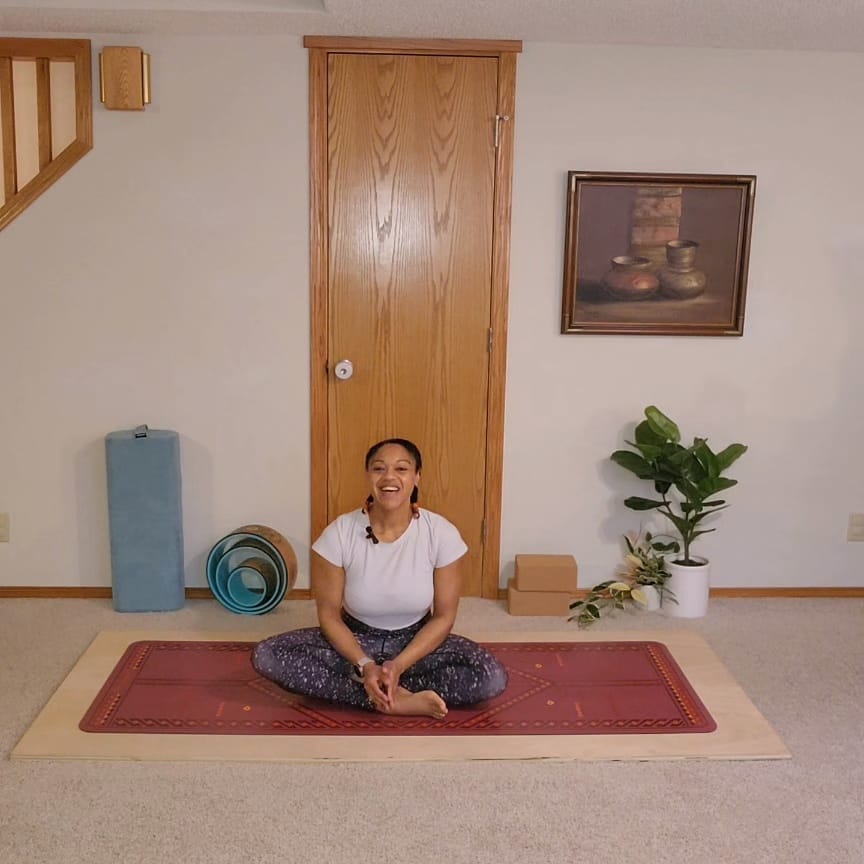
Hi there 👋 My name is Charyl Dezotell. I'm the maker of This Blog. Here to share tips, tricks and all things yoga :)